
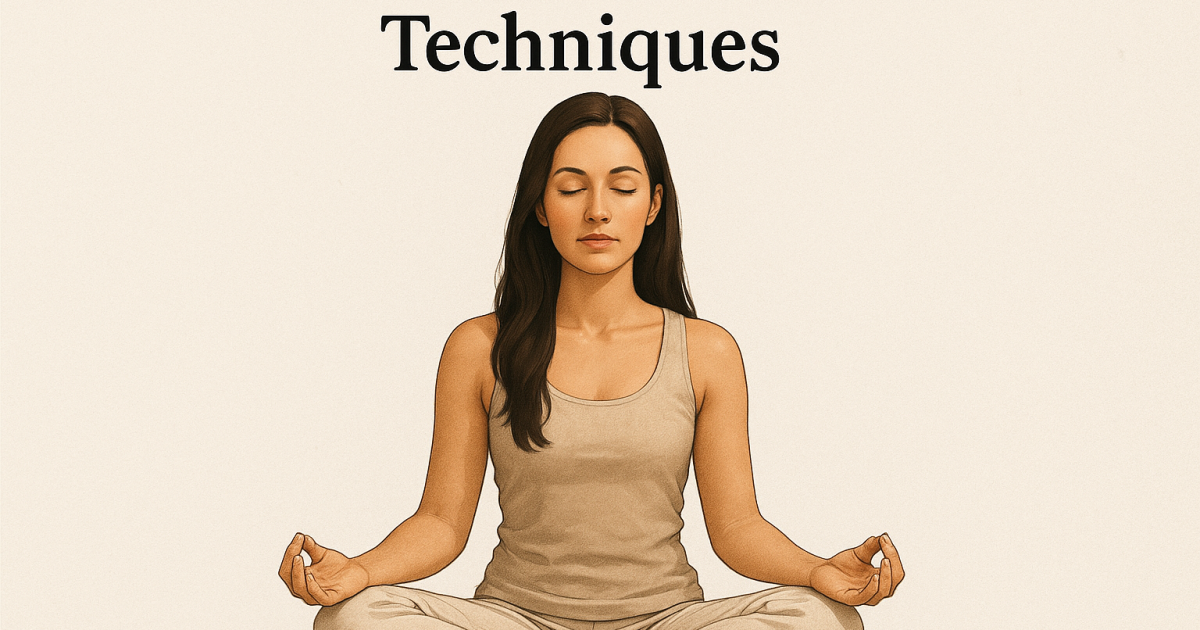
Understanding Kundalini Meditation Techniques
Kundalini meditation is a practice aimed at awakening the dormant energy believed to reside at the base of the spine. This energy, called Kundalini, can be activated through specific techniques that promote spiritual growth, mental clarity, and emotional balance.
What Is Kundalini Energy?
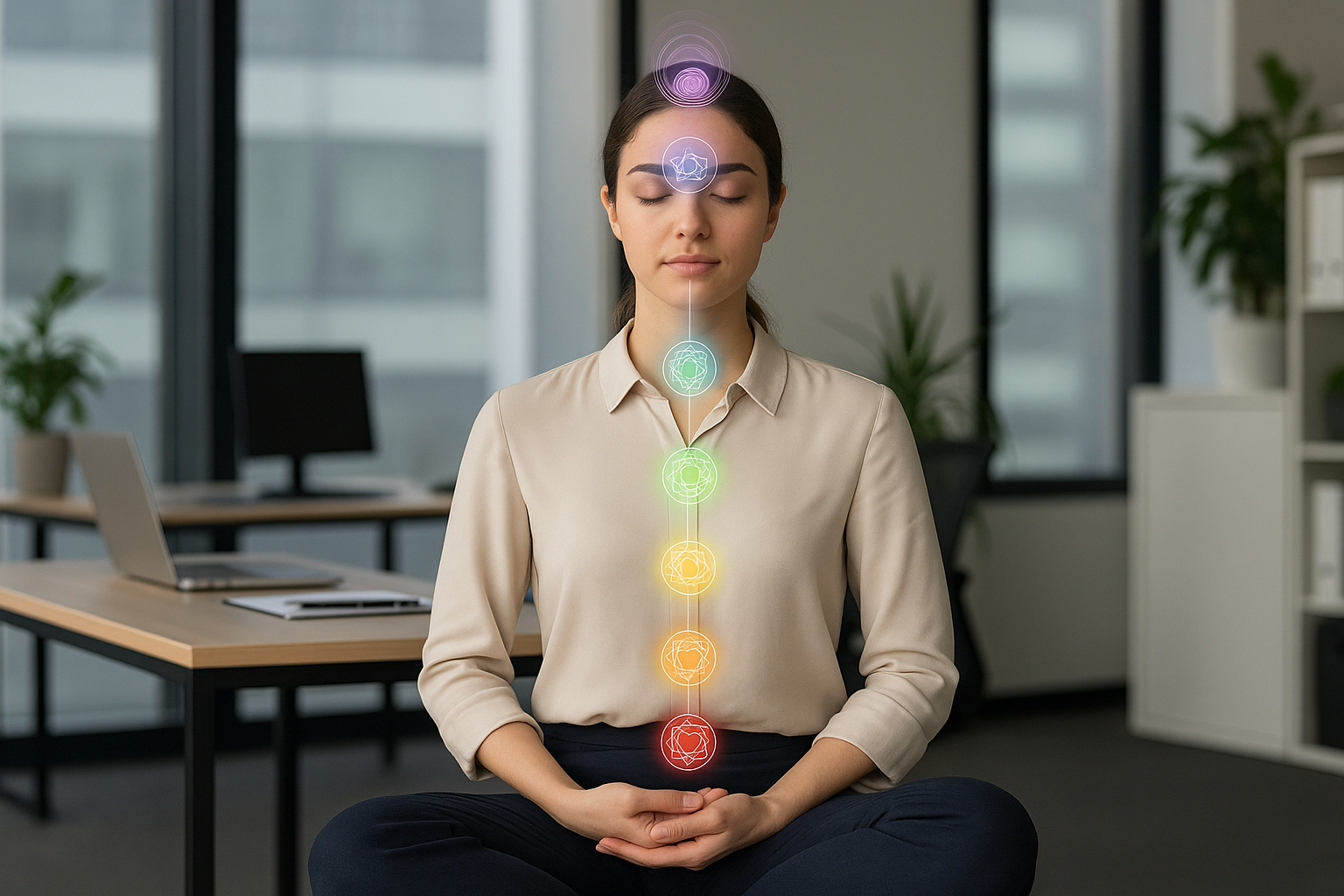
Kundalini is often described as a coiled serpent lying dormant within the root chakra. When awakened, it travels upward through the chakras, unlocking higher states of consciousness and inner awareness.
Core Kundalini Meditation Techniques
Several methods are used to stimulate Kundalini energy safely and effectively. These include breath control, mantra chanting, mudras (hand gestures), and focused meditation on chakras.
Breath Control (Pranayama)
Breathwork is essential in Kundalini meditation. Techniques like Nadi Shodhana (alternate nostril breathing) help balance energy channels and prepare the mind for deeper meditation.
Mantra Chanting
Repetition of specific sounds or mantras, such as “Sat Nam,” helps focus the mind and vibrate energy through the chakras, aiding in the awakening process.

Mudras and Bandhas
Hand gestures and body locks direct energy flow. For example, the Gyan Mudra (touching the thumb and index finger) encourages concentration and calmness.
Chakra Visualization
Visualizing the chakras as spinning wheels of energy can deepen the meditation experience, helping practitioners sense the Kundalini rising.
Precautions and Best Practices
Awakening Kundalini energy can be intense. It’s important to approach these techniques gradually, ideally under guidance, to avoid emotional or physical discomfort.
Regular practice, patience, and self-awareness are key to a safe and transformative experience.
Conclusion
Kundalini meditation technics offer a path to profound personal insight and energetic balance. By combining breathwork, mantra, mudras, and visualization, practitioners can gently awaken their inner energy and explore deeper states of consciousness.
Frequently Asked Questions
Is Kundalini meditation safe for beginners?
Yes, but it’s best to start slowly and learn proper techniques to avoid overwhelming experiences.
How long does it take to feel the effects?
Results vary; some notice subtle changes within weeks, while full awakening can take months or years.
Can I practice Kundalini meditation without a teacher?
While self-practice is possible, guidance from an experienced instructor can provide safety and clarity.
What are common signs of Kundalini awakening?
Signs include increased energy, emotional shifts, heightened intuition, and physical sensations along the spine.
